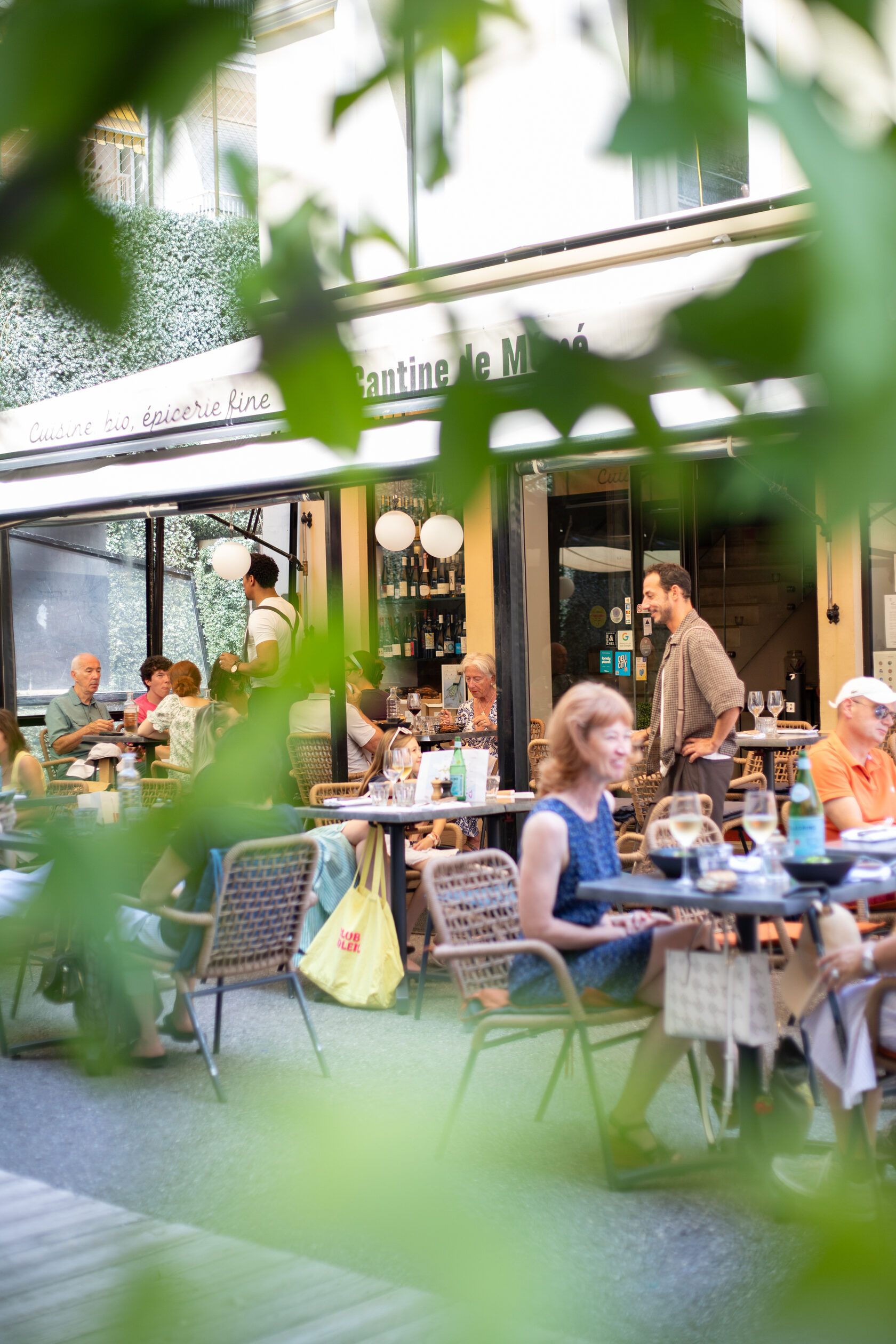
Every summer, the French Riviera looks fully booked. Hotels run at capacity, beaches fill up, and the streets of Old Nice buzz with visitors from every corner of the world. Yet behind this postcard image, many restaurant owners are going through one of the toughest seasons in recent years. We wanted to take the time to explain why, with real figures to back it up, because we're living this reality every day, like many of our fellow restaurateurs.
A paradox affecting the whole industry
It's the number that surprises people most when they first hear it: on the French Riviera, hotel occupancy regularly tops 85%, driven by a growing international clientele. Yet at the same time, restaurants are taking a hit. According to UMIH06 (the professional association for the hospitality and restaurant industry in the Alpes-Maritimes), many establishments are reporting a drop in footfall of 15 to 20%, reaching as much as 25% in traditional restaurants.
In other words: tourists are coming, they're staying overnight, they're enjoying the destination — but they're eating out less often, or spending less when they do. So this isn't a problem of the region's appeal. It's something deeper, directly tied to the purchasing power of both the people visiting us and the people who live here year-round.
A widening purchasing-power gap reshaping who eats out
Figures from Côte d'Azur France Tourisme are telling: American tourists spend on average around €120 to €170 per day on the destination, compared to €75 to €80 for French tourists. This gap, already significant, keeps widening year after year. High-spending visitors from North America, the Middle East and Asia are becoming increasingly central to the region's tourism economy, while French and nearby European visitors are watching their budgets more and more closely.
This isn't unique to the Riviera. Nationally, a study by the Gira consultancy, published in late May 2026, describes this as a "turning-point year" for French restaurants, marked by serious questions about the sector's long-term profitability. Traditional restaurants are even facing lunchtime competition from bakeries, which have become a genuine player in the fast-casual dining space. The recurring takeaway is simple: a growing share of customers now see restaurants as too expensive, even as restaurant owners themselves are squeezed by rising rent, energy costs and raw materials.
French purchasing power: a real constraint
This isn't just a feeling. According to an Elabe survey for BFMTV from early 2026, 56% of French people say their purchasing power has declined in recent months, and more than 3 out of 4 say they're tightening their belts. Among the first expenses being cut: going out — cinema, bars, restaurants — cited by 39% of respondents.
Inflation, which had eased significantly in 2025, ticked back up slightly in 2026, largely driven by energy prices amid ongoing geopolitical tensions. According to OFCE forecasts published in April 2026, it's expected to range between 1.8% and 2.3% for the year. Nothing close to the 2022–2023 peak, but enough to keep weighing on everyday spending decisions, especially for households that already have little room left to maneuver.
For a restaurant, this translates very concretely: fewer weekday covers, customers watching their bill more closely, and shifting habits — sharing a dish, skipping the aperitif or dessert, saving nights out for special occasions.
Scams that erode trust for everyone
On top of this economic pressure, there's another, more insidious issue: a rise in billing scams on the Riviera, notably the now well-known "bill padding" (adding unordered items or artificially inflating prices). These practices, carried out by a minority of unscrupulous establishments, are regularly flagged by local media and consumer protection authorities, who encourage customers to check their bill carefully and report abuse through Signal Conso.
The problem is that these practices — committed by a handful of dishonest establishments — damage trust across the entire industry. A customer who's been caught out once becomes wary everywhere, including with restaurateurs who charge fair, transparent prices. It's a shared reputation at stake, and it weighs even more heavily when every euro is already being counted twice.
The 2026 World Cup: a mixed blessing
You might expect the World Cup, held this year in the United States, Canada and Mexico, to bring some relief to the industry. That's true for bars and brasseries with screens, which are seeing a genuine boost on nights when the French national team plays — some report up to 15–20% extra revenue on those evenings.
But for a more traditional restaurant, the effect is more ambiguous. The time difference with North America pushes many matches to unusual hours in France — sometimes late afternoon, sometimes late at night — which can disrupt regular dinner service rather than boost it, pulling some customers toward the screen instead of the table.
What this means for us
We're not sharing all this to complain, but because we think it's important to be transparent about what the industry is going through right now. The figures and studies confirm it: this isn't specific to one restaurant or one town — it's a broader trend affecting independent restaurateurs across the French Riviera and the rest of France.
What we can do, on our end, is keep working with local, seasonal produce, keep our prices fair, and take care of every service — whether the dining room is full or a little quieter that day. And simply keep welcoming you with the same sincerity, tough season or not.
Sources: UMIH06, Côte d'Azur France Tourisme, Gira study (May 2026), Elabe/BFMTV survey (2026), OFCE forecasts (April 2026), local press (Nice-Presse, Cannes Actus, Le Journal des Entreprises), neoRestauration.
A paradox affecting the whole industry
It's the number that surprises people most when they first hear it: on the French Riviera, hotel occupancy regularly tops 85%, driven by a growing international clientele. Yet at the same time, restaurants are taking a hit. According to UMIH06 (the professional association for the hospitality and restaurant industry in the Alpes-Maritimes), many establishments are reporting a drop in footfall of 15 to 20%, reaching as much as 25% in traditional restaurants.
In other words: tourists are coming, they're staying overnight, they're enjoying the destination — but they're eating out less often, or spending less when they do. So this isn't a problem of the region's appeal. It's something deeper, directly tied to the purchasing power of both the people visiting us and the people who live here year-round.
A widening purchasing-power gap reshaping who eats out
Figures from Côte d'Azur France Tourisme are telling: American tourists spend on average around €120 to €170 per day on the destination, compared to €75 to €80 for French tourists. This gap, already significant, keeps widening year after year. High-spending visitors from North America, the Middle East and Asia are becoming increasingly central to the region's tourism economy, while French and nearby European visitors are watching their budgets more and more closely.
This isn't unique to the Riviera. Nationally, a study by the Gira consultancy, published in late May 2026, describes this as a "turning-point year" for French restaurants, marked by serious questions about the sector's long-term profitability. Traditional restaurants are even facing lunchtime competition from bakeries, which have become a genuine player in the fast-casual dining space. The recurring takeaway is simple: a growing share of customers now see restaurants as too expensive, even as restaurant owners themselves are squeezed by rising rent, energy costs and raw materials.
French purchasing power: a real constraint
This isn't just a feeling. According to an Elabe survey for BFMTV from early 2026, 56% of French people say their purchasing power has declined in recent months, and more than 3 out of 4 say they're tightening their belts. Among the first expenses being cut: going out — cinema, bars, restaurants — cited by 39% of respondents.
Inflation, which had eased significantly in 2025, ticked back up slightly in 2026, largely driven by energy prices amid ongoing geopolitical tensions. According to OFCE forecasts published in April 2026, it's expected to range between 1.8% and 2.3% for the year. Nothing close to the 2022–2023 peak, but enough to keep weighing on everyday spending decisions, especially for households that already have little room left to maneuver.
For a restaurant, this translates very concretely: fewer weekday covers, customers watching their bill more closely, and shifting habits — sharing a dish, skipping the aperitif or dessert, saving nights out for special occasions.
Scams that erode trust for everyone
On top of this economic pressure, there's another, more insidious issue: a rise in billing scams on the Riviera, notably the now well-known "bill padding" (adding unordered items or artificially inflating prices). These practices, carried out by a minority of unscrupulous establishments, are regularly flagged by local media and consumer protection authorities, who encourage customers to check their bill carefully and report abuse through Signal Conso.
The problem is that these practices — committed by a handful of dishonest establishments — damage trust across the entire industry. A customer who's been caught out once becomes wary everywhere, including with restaurateurs who charge fair, transparent prices. It's a shared reputation at stake, and it weighs even more heavily when every euro is already being counted twice.
The 2026 World Cup: a mixed blessing
You might expect the World Cup, held this year in the United States, Canada and Mexico, to bring some relief to the industry. That's true for bars and brasseries with screens, which are seeing a genuine boost on nights when the French national team plays — some report up to 15–20% extra revenue on those evenings.
But for a more traditional restaurant, the effect is more ambiguous. The time difference with North America pushes many matches to unusual hours in France — sometimes late afternoon, sometimes late at night — which can disrupt regular dinner service rather than boost it, pulling some customers toward the screen instead of the table.
What this means for us
We're not sharing all this to complain, but because we think it's important to be transparent about what the industry is going through right now. The figures and studies confirm it: this isn't specific to one restaurant or one town — it's a broader trend affecting independent restaurateurs across the French Riviera and the rest of France.
What we can do, on our end, is keep working with local, seasonal produce, keep our prices fair, and take care of every service — whether the dining room is full or a little quieter that day. And simply keep welcoming you with the same sincerity, tough season or not.
Sources: UMIH06, Côte d'Azur France Tourisme, Gira study (May 2026), Elabe/BFMTV survey (2026), OFCE forecasts (April 2026), local press (Nice-Presse, Cannes Actus, Le Journal des Entreprises), neoRestauration.
